
Why Documentaries Can Never Be Escapism (and Why That is Good Actually)
On the eve of releasing a documentary into theaters, I continue to ask, "Are Documentaries Movies?"


Once upon a time, in a land without trigger warnings, I used to start every documentary film class with a 16-minute short called No Lies (Mitchell Block, 1973).
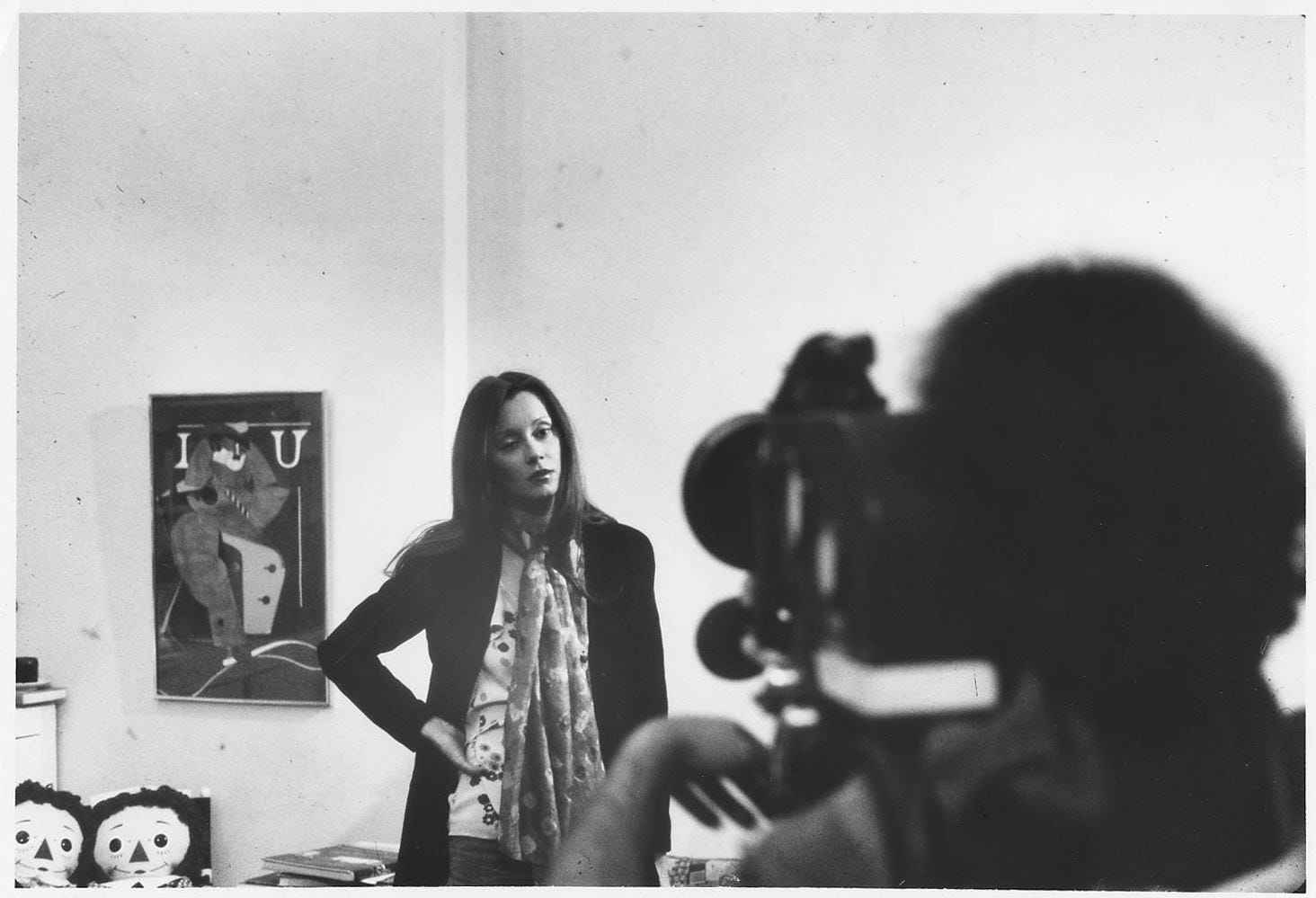
No Lies concerns a young male film student filming his female friend as she puts on makeup and prepares to go out to a movie. They make small talk, as he pushes and prods her into saying something interesting for his assignment. Eventually, she tells him, in an almost offhand manner, that she was raped the night before.
The film student, eager for this good documentary content, begins to ask lots of questions about this in an increasingly insensitive manner, as she repeatedly asks to change the subject. He asks her what she was wearing. He says he isn’t sure he even believes her since she doesn’t seem very upset. She eventually breaks down in tears, asking him to turn off the camera (which he doesn’t do). It’s a harrowing interrogation, extremely uncomfortable and kind of enraging.
The whole film is presented as one continuous take, the shaky and uneven footage taken raw from the film student’s camera. One has the feeling that we must be watching this ugly, exploitative student film — all these years later, in a documentary film course at a prestigious school — as an example of how NOT to do documentary!1
And all of that is true. But as the closing credits begin, it becomes true in a totally different way….
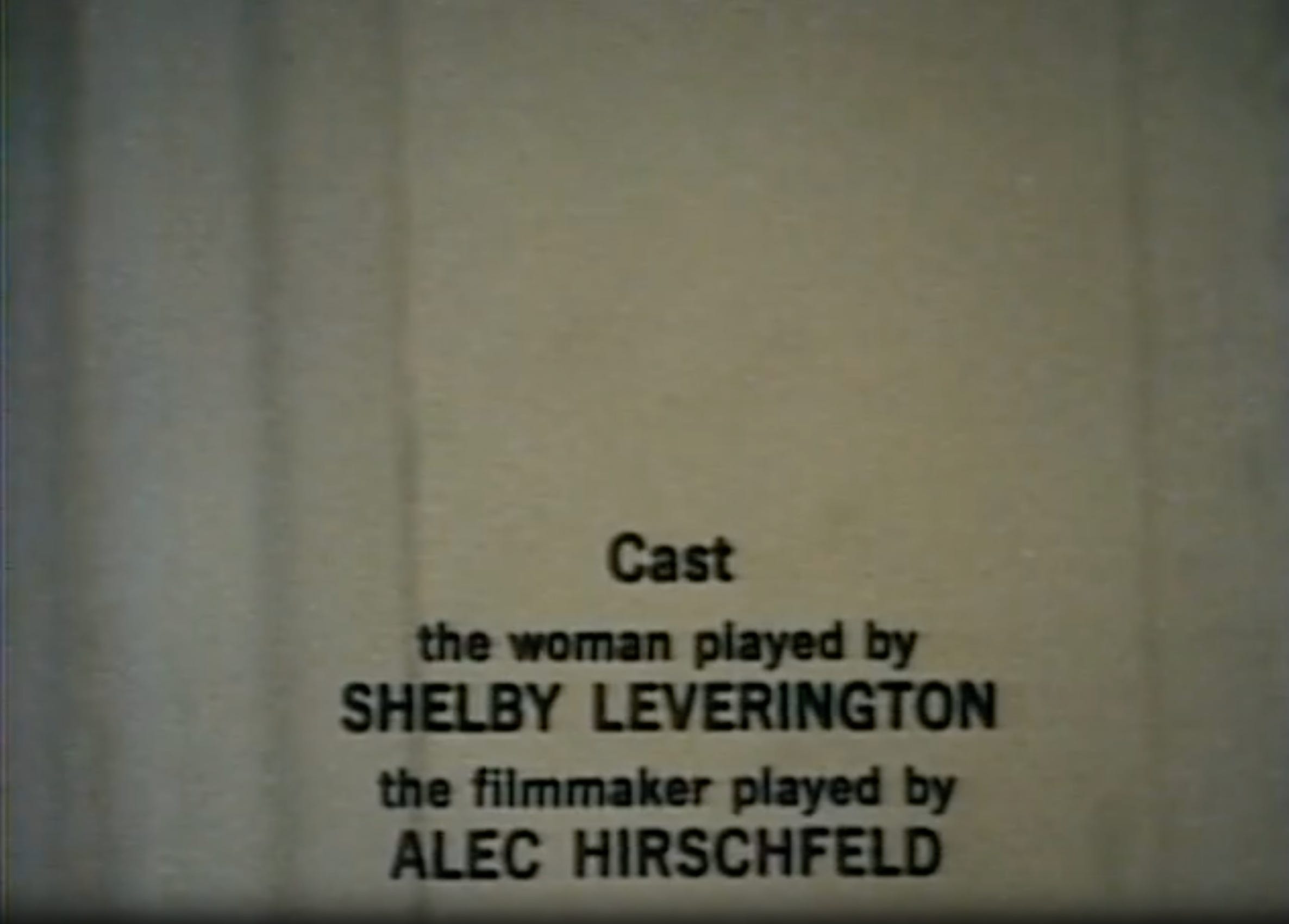
The reveal that this seemingly raw verité documentary was in fact scripted and performed by actors never failed to elicit gasps in my classroom. (It is rare, in my experience, to find a mockumentary so convincing in its artifice.)
The reveal changes nothing about the film itself — the text remains the same. The images are the same. The dialogue is the same. The performances are the same. Yet the viewer’s entire experience of the film undergoes a radical transformation. Why should this be?
That question is always rattling around in my mind. It seems to me the answer is of fundamental importance to this whole documentary business.
Okay, but hang on a second…
You may reasonably wonder why I’m spending my weekend writing about a fifty-year-old experimental film when I have a movie opening in theaters this week!!!? Shouldn’t I be out here promoting my awesome Wild Inside merch right now!


A reasonable question! The answer is I think No Lies points us toward something essential about documentary that is surprisingly easy to forget. I think it explains why documentaries work and why we love them. It’s about what documentaries give an audience that fiction cannot. It’s something we forget at our own peril.
